
Vector Labs代理,歡迎訪問Vector Labs官網(wǎng)或者咨詢我們獲取相關(guān)Vector Labs產(chǎn)品信息以及報(bào)價(jià)。
Vector Labs 公司是世界著名的生物學(xué)檢測(cè)試劑公司,七十年代其在全球首推的生物素-親和素系統(tǒng)引領(lǐng)了生物學(xué)檢測(cè)方法的重大革命,該系統(tǒng)被普遍視為目前最靈敏、最可靠與最有效的染色系統(tǒng),并被廣泛應(yīng)用于免疫組織化學(xué)、免疫電鏡、原位雜交與凝集素化學(xué)中。該系統(tǒng)仍在不斷地發(fā)展,以滿足廣大研究人員的各種不同要求。Vector 公司還是世界上凝集素產(chǎn)品的主要供應(yīng)商,并提供大量的新產(chǎn)品,如酶底物、神經(jīng)元示蹤劑及蛋白質(zhì)、糖類與核酸的標(biāo)記、分離與檢測(cè)試劑。
Goat Anti-Digoxigenin/Digoxin (DIG) Antibody, DyLight? 594
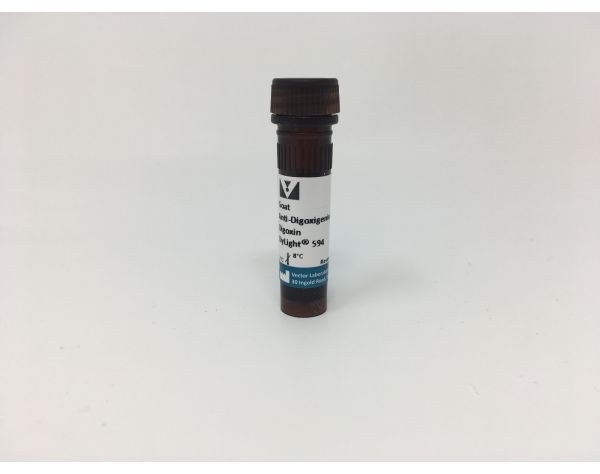
Description
Digoxigenin (DIG) is a small plant-derived molecule not found in animals. DIG is used to label nucleic acid probes for applications such as in situ hybridization. DIG-labeled probes are detected with antibodies specifically directed against the DIG label.?The DyLight? conjugated antibodies allow a one-step fluorescent visualization of DIG-labeled probes.
Features:
- High affinity and highly purified antibodies for FISH
- Excitation: ?592 nm
- Emission: ?617 nm
- Color: ?Red
Specifications
| Unit Size | 0.5 mg |
|---|---|
| Applications | In situ hybridization |
| Concentration | 1.0 mg active conjugate/ml |
| Recommended Storage | 2-8 °C |
| Solution | 10 mM HEPES, 0.15 M NaCl, pH 7.5, 0.08% sodium azide. |
| Maximum Emission | 617 nm |
| Maximum Excitation | 592 nm |
| Recommended Usage | The recommended concentration range for use is 5-20 μg/ml. |
| Detection Target | Digoxigenin/Digoxin (DIG) |
| Conjugate | DyLight 594 |
| Color of Fluorescence | Red |
| Host Species | Goat |
| Format | Concentrate |
Documents
- Safety Data Sheet
- Download CoA
- Datasheet
Related Products
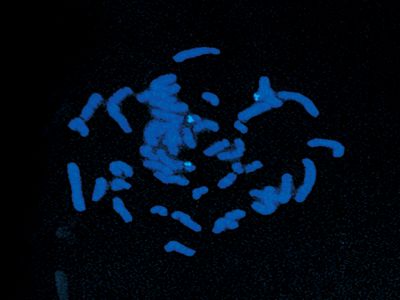
VECTASHIELD? Antifade Mounting Medium with DAPI Catalog #: H-1200-10
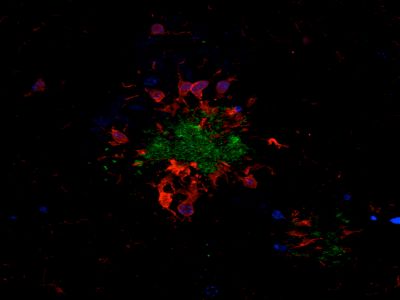
VECTASHIELD? HardSet™ Antifade Mounting Medium Catalog #: H-1400-10
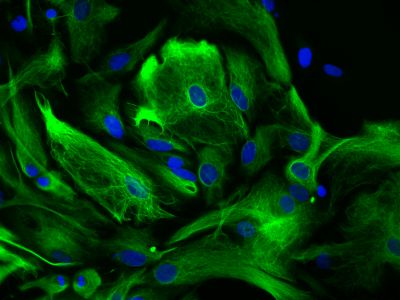
VECTASHIELD? HardSet™ Antifade Mounting Medium with DAPI Catalog #: H-1500-10
VECTASHIELD? Antifade Mounting Medium Catalog #: H-1000-10
Citations
 Powered by Bioz See more details on Bioz
Technical Information
DyLight? dyes offer several advantages including greater photostability, pH independence and brighter fluorescence. DyLight? conjugates are completely stable from pH 4 to pH 9, making them compatible with many buffers and diluents.
?